Call us (912) 674-0619
 goldenislesfae@gmail.com

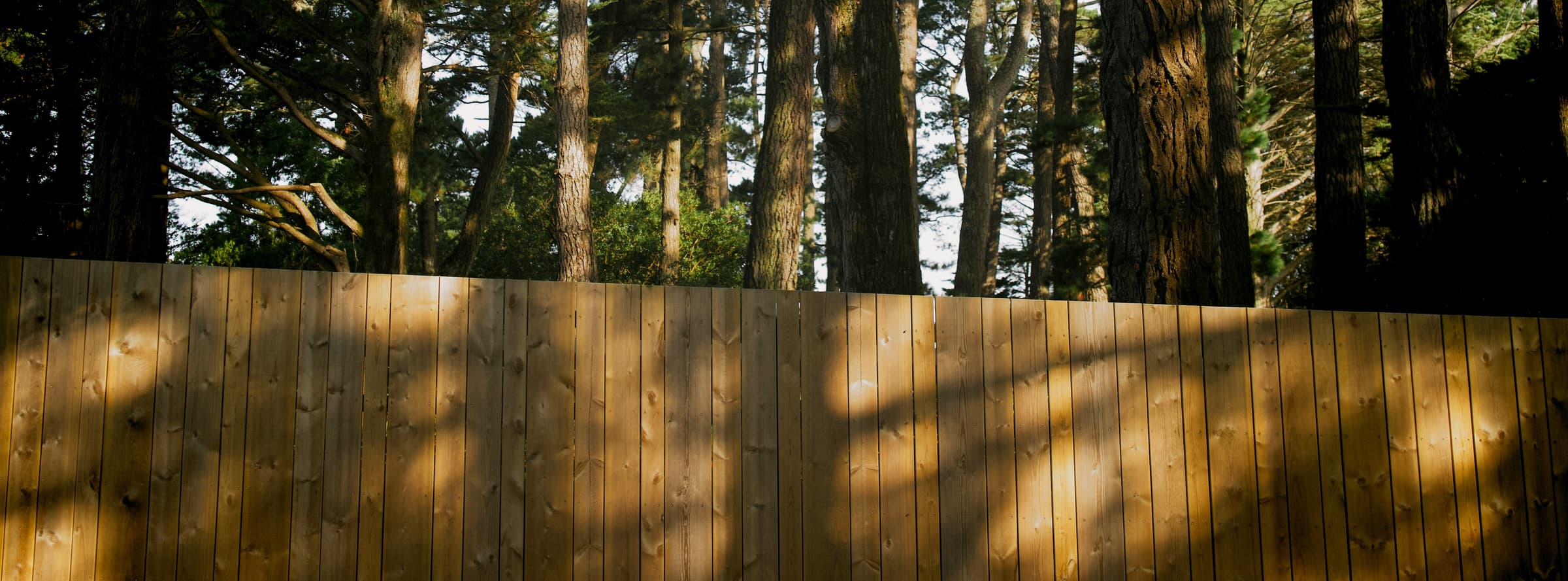
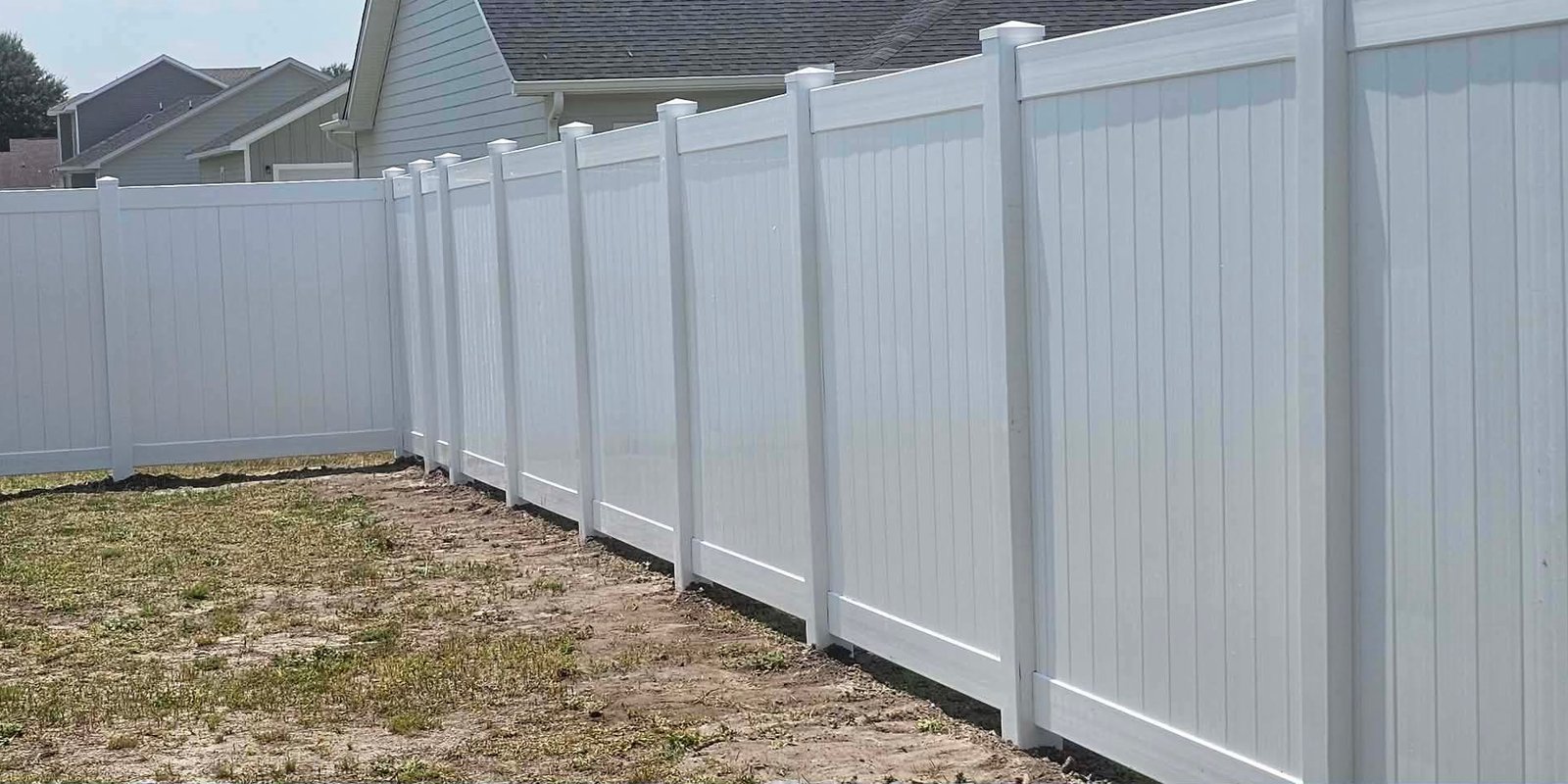

No such thing as 'fence rules' in the Golden Isles. There is a stack of fence rules. It totally depends on your address which stack you need. A completely normal fence in one Brunswick subdivision could be a violation 2 miles away.
We can't tell you the rules. Neither can anyone, unless they know your address and covenants. We can however show you the stack. Help you to know what to ask for and who to ask.
The four layers
All four could apply for any given fence. They are all different things and getting one doesn't mean you're good on all of them.
- Zoning: what your local government allows for you to put in your zone (height, placement, sometimes material).
- Permitting: whether you have to get a permit or zoning review before you can build
- Private covenants: HOA or subdivision restrictions (which are often more strict than county)
- Recorded easements: any utility, drainage or access rights that go over your land (which completely trump your wishes).
Who to ask, depending on where you live
- Unincorporated Glynn County: Planning, zoning and permits by Glynn County Community Development.
- Inside Brunswick city limits: their own zoning and permits for the city.
- Jekyll Island: Jekyll Island Authority, this is the bureaucracy that administers it. They have their own review process over and above everything else.
- St. Simons Island: Unincorporated Glynn County, but special overlay considerations for the islands. Ask them about that.
- Camden, McIntosh, Wayne, Ware and Brantley counties: Planning and zoning for each.
Call before you buy the material. We purposely do not list specific height restrictions or any dollar amounts. We also do not list specific form names. This is due to the fact that they are subject to change. Having something out of date from a blog is even worse than no data at all.
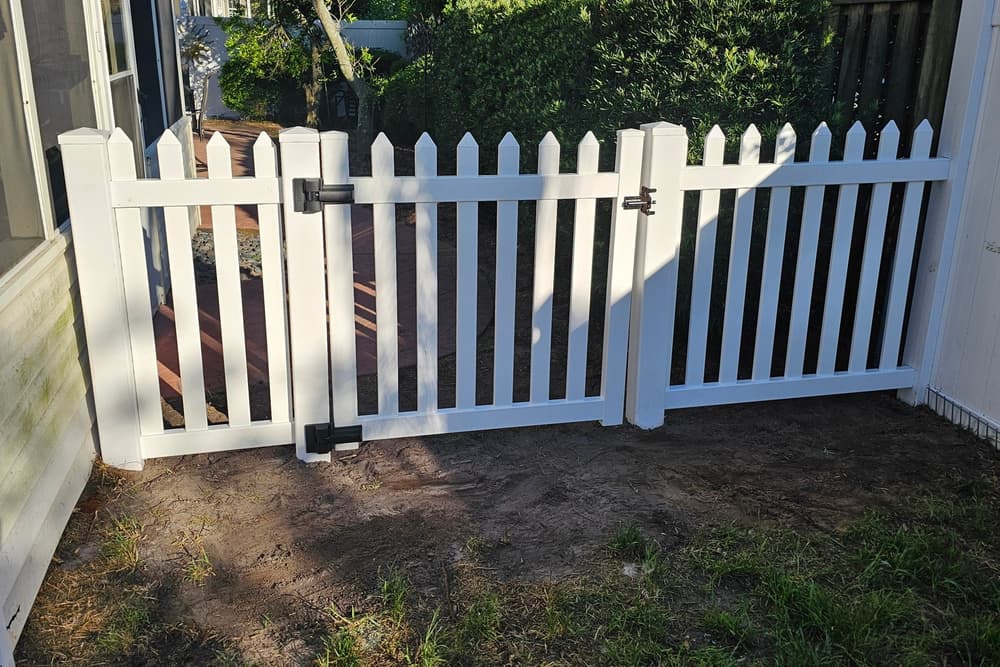
Setbacks, and the front yard problem
A setback is how far away from a property line or right of way a structure must be. While fences tend to be treated more leniently than buildings by most jurisdictions, "more leniently" does not mean "not at all".
Consistent theme for the region (and just about everywhere else):
- Rear and side yards solid privacy fences are often permitted up to full height.
- Front yards fences are much lower, and sometimes have a requirement to be open style (not solid) in order to maintain clear sight lines.
- Corner lots get special attention. Most jurisdictions have a visibility triangle for intersections and driveways where you can't block view of traffic within the triangle. That's a trap for a lot of folks because often the "side" yard of your corner lot will be considered a second front yard in a legal sense.
If you're on a corner, assume there's a rule, find it.
Easements: the one that actually removes fences
This is the most expensive mistake you can make.
Recorded easements mean someone else has a legal right over part of your property. A common thing around Glynn County (especially on newer subdivisions) are utility easements along the back or side. Also there can be drainage easements with stormwater. Or access easements.
If you build a fence across a utility easement, they may remove it to access whatever is under it. They are under no obligation to replace it (and no obligation to be nice). Same with a drainage easement that the county needs to service.
You should see easements on your recorded plat. If you can't find it or read it, the county can help. A surveyor definitely can. It's a 10 minute check that sometimes saves a 5 figure fence.
HOA covenants
If you're in a subdivision with an HOA, then chances are that the covenants are going to be the limit, more restrictive than the county on almost everything.
Some common ones they'll control...
- What materials are allowed. What materials are not allowed. Chain-link is not allowed in a lot of places.
- What color and style is allowed
- Height limit, probably lower than what's allowed by zoning.
- Which side should be finished. Generally it's going to be towards your neighbor and street.
- Whether or not you can put fence past the front or rear building line of your house.
- And they will likely require that you go through architectural review before you even start.
And that last point is where you have a schedule risk. Some places, the architectural review committee might only meet once a month. The single best thing you can do to protect your timeline is get that process kicked off ASAP.
Couple of common misunderstandings. First, getting approval by your HOA isn't the same as getting a permit from the county. You could need both. Second, get it in writing. If you get a verbal "yeah" from a member of the board, it's not going to help you if the board changes and thinks differently.
Property lines, and why you want a survey
Everything above assumes you know where your line is. For most, you don't.
Just because you have a fence up doesn't mean that's your line. Just because you have a hedge, tree line, mowed area by the former owner doesn't mean that's the line. You may have a fence in the wrong place, and carry the error forward.
If you have a fence in your neighbor's space, you may have to move it at your expense no matter how long it's been there or how much you paid for it. Cheap insurance to have a current survey with pins placed. Also answers your easement question while you are at it.
Often folks place fence a few inches inside the line rather than on the line on purpose. Lose a sliver of yard. Eliminates whole class of disputes.
Talk to your neighbor
It's not a legal necessity but it's still a good idea. It's going to be the most prominent feature between the two properties for the next 20 years.
A bit of a chat before the build: what is the facing direction of the completed fence, are they happy to split the cost, and do they know anything about the boundary that you don't? It also prevents the first they find out it's happening being a team of people and an auger.
A sensible sequence
- Get your plat. Or get a survey. Find your pins. Find your easements.
- Go through your covenants. Begin architectural review process (takes the longest).
- Make sure you know your zoning, permits (find out from your county or city).
- Get any permit, whatever they want.
- Call Georgia 811 and wait for the utility marks.
- Build it.
Here's a guide on fence permits in Glynn County covering steps 3-5 in more depth.
Where we help
We run into this often and we much prefer to make you aware of an issue during the quote phase rather than designing one in. We'll walk the fence line with you, draw attention to any easement or visibility triangle, get the utility locates done and be up front with what we need to talk to the county about first.
Picking the fence style (be it wood, vinyl or aluminum) is the easy part after you know the rules. More info on our coverage is on the Glynn County and service areas pages.
Request a free quote or give us a call at (912) 674-0619 and we can help you make sure the paperwork is in order before anyone starts digging.